



The Treasury Department is combatting fuel smuggling schemes linked to Cartel de Jalisco Nueva Generacion (CJNG), a violent drug cartel designated under both counternarcotics and counterterrorism authorities.
The Office of Foreign Assets Control has sanctioned two Mexican nationals and nine entities tied to a CJNG-linked fuel theft scheme involving cross-border smuggling, falsified customs documents, and shell companies to evade Mexican taxes while generating tens of millions of dollars annually for the cartel.
In addition, the Financial Crimes Enforcement Network issued a supplemental alert providing additional guidance red flags indicative of CJNG and other Mexico-based transnational criminal organizations smuggling fuel from the United States into Mexico.
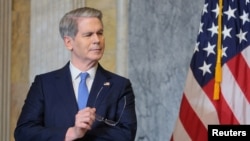
This “action highlights the extent to which Mexico's cartels are expanding beyond traditional drug trafficking to generate revenue for their criminal organizations, which continue to traffic deadly drugs that kill Americans,” said Secretary of the Treasury Scott Bessent.
Among those designated is Oscar Guillermo Juraidini Silva, who supports CJNG in a fuel smuggling enterprise that generates hundreds of millions of dollars each year.
CJNG is a U.S.-designated foreign terrorist organization and specially designated global terrorist that is responsible for a significant proportion of fentanyl and other deadly drugs trafficked into the United States
In recent years, Mexico-based drug trafficking cartels like CJNG have become increasingly involved in the theft, adulteration, and smuggling of hydrocarbons, such as fuel and oil in schemes colloquially referred to in Mexico as huachicol. These schemes have grown into revenue generators for CJNG through the theft of tens of billions of dollars in lost revenue for the Mexican government and have enabled CJNG campaigns of narcotics trafficking in the United States, violence against Mexican government forces along the U.S. southwest border, and corruption within Mexico.
Huachicol-related activities are currently the most significant non-drug revenue source for Mexican cartels and other illicit actors.
Thieves in Mexico use a variety of means to steal fuel and crude oil from Mexico’s state-owned energy company, Petróleos Mexicanos (Pemex), including bribing corrupt Pemex employees, illegally drilling taps into pipelines, stealing from refineries, hijacking tanker trucks, and threatening Pemex employees. Fuel stolen from Pemex is sold on the black market around Mexico. The oil is then delivered to complicit U.S. importers operating near the U.S. southwest border, who sell it at a steep discount on the U.S. and global energy markets before repatriating the significant illicit profits back to the cartels in Mexico.
Public reporting suggests that a quarter to a third of all fuel sold in Mexico may be illicit.
The Treasury Department’s latest actions targeting these illicit revenue streams, said Secretary Bessent, “advance the Trump Administration's priority of dismantling these terrorist organizations and making America safe again.".