Among those designated are a grandson of Raúl Castro, Fidel Ernesto Castro Calis, Banco Exterior de Cuba, and four entities exploiting Cuba’s natural resources or energy reserves for the benefit of the regime.
“Iran’s shadow banking system is buckling under Economic Fury, and the regime is running out of ways to move money.”
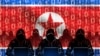
The United States and ten of its allies have issued a joint statement warning companies, countries and other entities that a network of skilled operatives are disguising themselves online and working remotely to earn money for the North Korean regime.
Department of Homeland Security, or DHS, and the FLETF remain dedicated to ensuring that goods made with forced labor are prohibited from importation into the United States.
As the international strategic investment arm of the U.S. government, the DFC works with the private sector to advance U.S. diplomatic and economic interests and drive economic growth for its allies and partners.
The Treasury Department is combatting fuel smuggling schemes linked to Cartel de Jalisco Nueva Generacion (CJNG), a violent drug cartel designated under both counternarcotics and counterterrorism authorities.
“We will relentlessly target the regime’s ability to generate, move, and repatriate funds, and pursue anyone enabling Tehran’s attempts to evade sanctions.”
This action, taken on April 30, supports the historic U.S.-brokered Washington Accords for Peace and Prosperity signed by the DRC and Rwandan heads of state on December 4, 2025,
The Treasury Department has frozen more than $344 million in cryptocurrency tied to Iran.
The initiative proposes an economic development model that moves the emphasis from government-to-government aid to private sector mutually beneficial business partnerships.
Load more