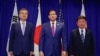
“This is the primary mechanism by which we engage the region, and you will continue to see our commitment to it at the highest levels."
As the international strategic investment arm of the U.S. government, the DFC works with the private sector to advance U.S. diplomatic and economic interests and drive economic growth for its allies and partners.
A favorable balance of power requires capable allies with military strength, industrial capacity, and political resolve.
The foundation of this new approach is moving away from a model of dependency and toward one of true partnership.
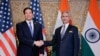
U.S. Secretary of State Marco Rubio announced several key new initiatives to advance a free and open Indo-Pacific alongside the foreign ministers of Australia, India and Japan in New Delhi, India this week.
The United States is offering a reward of up to $5 million for information that leads to the disruption of financial mechanisms of persons engaged in certain activities that support North Korea.
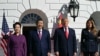
President Donald Trump and Chinese President Xi Jinping reached consensus during their meeting in Beijing on several issues that will enhance stability and confidence for businesses and consumers around the world.
These actions follow the reimposition of UN restrictive measures and sanctions on September 27, 2025, in response to Iran’s “significant non-performance” of its nuclear commitments.
Russia and China voted to veto a draft resolution earlier this month that sought to protect freedom of navigation and maritime security in and around the Strait of Hormuz.
Building on defense cooperation that dates back to the 1940s and following upon a landmark economic agreement earlier this year, the new Major Defense Cooperation Partnership highlights mutual respect and national sovereignty in keeping with the U.S. National Defense Strategy.
Load more